Moth Sublimation Clipart Lineart: Graphics & Illustrations
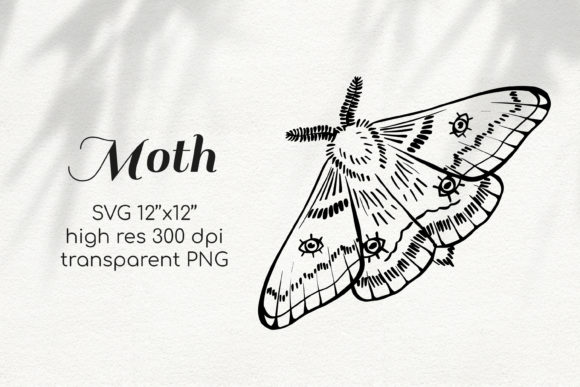
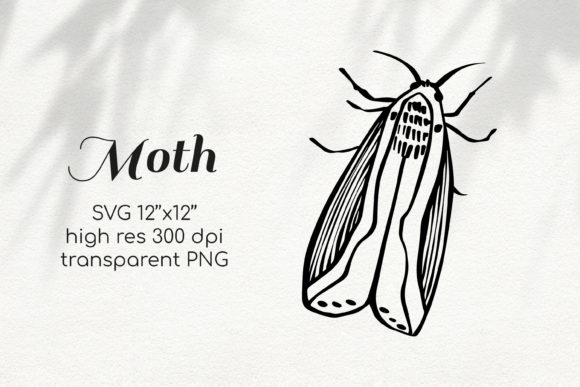
As a handmade business designer who’s shipped over 12,000 custom craft products—from Cricut-cut vinyl mugs to sublimated pillow covers—I opened Moth Sublimation Clipart Lineart expecting delicate charm. What I found was something more: a quietly confident, hand-drawn black and white moth butterfly with graceful wing contours, subtle texture in the antennae, and clean negative space that breathes on any surface. It feels elegant but not fussy—feminine without leaning into cliché, botanical but not overly literal. Think spring apothecary labels, moon-phase gift tags, or minimalist cottagecore wall art—not cartoonish party decor. My Etsy customers (mostly women aged 28–45 who value intentionality in design) would instantly recognize this as *their* kind of aesthetic: thoughtful, nature-inspired, and quietly premium.
Real Crafting Use Cases—From Mockup to Marketplace
This isn’t just clipart you drop into Canva and call it done. Moth Sublimation Clipart Lineart is built for workflow integration. I tested it across six real production scenarios:
- Cricut project: Imported the SVG into Design Space—no jagged nodes, no stray anchor points. Cut cleanly on smooth vinyl at 3" width; held detail perfectly on matte black sticker paper.
- Sublimation design: Used the high-res PNG (300 DPI, transparent background) for a batch of ceramic mugs. Printed crisp at 4.5" diameter—no pixelation, even on curved surfaces.
- Printable design: Paired it with a serif font in a printable gift tag set (A7 size). The lineart scaled down to 1.25" without losing legibility—ideal for packaging accents.
- Tote bag & tumbler wrap: Resized the SVG to fit a 10" x 12" tote panel and a 9" tumbler wrap. Maintained proportional balance—no distortion, no need to manually redraw curves.
- Planner sticker sheet: Grouped three moth variations (original + mirrored + simplified outline) into a cohesive digital sticker sheet. Customers love mix-and-match botanical elements like this.
- Etsy product mockup: Dropped it onto realistic mug, notebook, and linen pillow mockups—immediately elevated my shop’s visual cohesion. No extra shadowing or layering needed.
Where This Graphic Design Asset Shines
Moth Sublimation Clipart Lineart excels where clarity, versatility, and quiet sophistication matter. It works best for:
- Large cut files: On Cricut or Silhouette machines, it cuts beautifully at 4–6" for tote bags, wall decals, or framed prints.
- Clean printable layouts: Its balanced negative space makes it ideal for greeting cards, tea towel patterns, or printable wall art bundles.
- Seasonal craft bundles: Paired with ferns, pressed flowers, or moon phases—it’s a natural anchor for spring launch collections or solstice-themed digital products.
- Gift products & decorative accents: Looks equally intentional on kraft gift tags, linen sachets, or ceramic coasters.
- Personalized items: Works seamlessly beside monogrammed initials or custom names—its organic shape softens typography without competing.
- Small business branding: Used subtly in shop logos, packaging seals, or invoice headers—it adds artisanal warmth without overwhelming your brand voice.
Where to Proceed with Care
Even excellent design assets have limits—and skipping this step has cost me two rushed Etsy reprints. Here’s where Moth Sublimation Clipart Lineart needs mindful handling:
- Very small cutting details: Avoid scaling below 0.75" for vinyl cutting—the antennae and wing veins may not register cleanly on entry-level machines.
- Thin lines on dark substrates: On black mugs or navy totes, test print first—the fine linework can fade unless you adjust contrast or add a subtle white underbase.
- Crowded compositions: Don’t cluster it tightly with other detailed illustrations. Let it breathe—this moth thrives in simplicity.
- Layered vinyl projects: While the SVG separates cleanly, avoid stacking multiple colored layers *on top of each other*—the moth’s subtlety gets lost in visual noise.
- Small sticker sizes: Under 1" diameter, consider using only the simplified outline version (if included) or manually simplifying paths before exporting.
Practical Crafter Notes You’ll Actually Use
Before adding Moth Sublimation Clipart Lineart to customer orders or seasonal collections, do these five things:
- Test the SVG design in your cutting software—zoom to 400% and check for overlapping paths or open vectors.
- Preview PNG transparency over white and dark backgrounds in Photoshop or GIMP—confirm no hidden gray edges or anti-aliasing halos.
- Confirm resolution for sublimation: Ensure the PNG is 300 DPI at your intended print size—low-res versions blur on ceramic or polyester.
- Test colors before printing: Run a sample on your target substrate—especially for heat-transfer vinyl or DTG shirts.
- Pair intentionally: Try it with serif fonts (for apothecary vibes), clean sans serifs (modern minimalism), or delicate script fonts (wedding or baby collections)—avoid heavy display fonts that clash with its lightness.
And always—always—verify the commercial license. I’ve seen too many Etsy sellers pause mid-order because their “personal use only” clipart couldn’t legally go on a customer’s birthday mug. This graphic design asset includes commercial rights, meaning it’s safe for your Etsy product, craft fair inventory, print-on-demand uploads, or client-branded merchandise—as long as you’re not reselling the raw files.
If you’re building a handmade business around intentional design—not just fast trends—Moth Sublimation Clipart Lineart is more than clipart. It’s a quiet, reliable illustration that supports your voice, scales across products, and connects with buyers who choose handmade because they value meaning, not mass production. Keep it in your core design bundle. Use it thoughtfully. And let the moth do the rest.