Moth Lineart Sublimation Clipart: Graphics & Illustrations
As a graphic designer who’s built brand identities for indie apothecaries, seasonal Etsy collections, and boutique print-on-demand lines, I recently evaluated Moth Lineart Sublimation Clipart for a real client project: a limited-edition spring botanical capsule for a handmade candle brand. The brief called for delicate, nature-infused visuals that felt organic—not generic—yet remained production-ready across t-shirts, ceramic mugs, and Instagram carousel graphics. That’s where this asset earned serious attention.
A First Impression That Sets the Mood
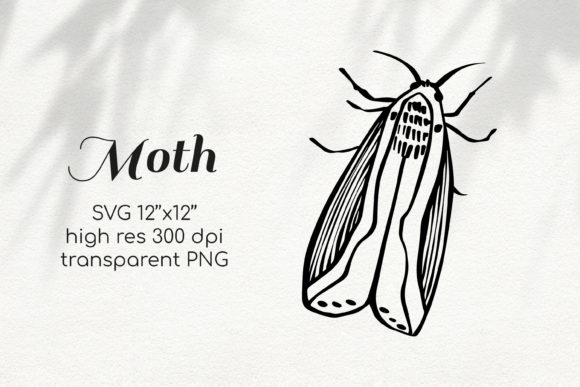
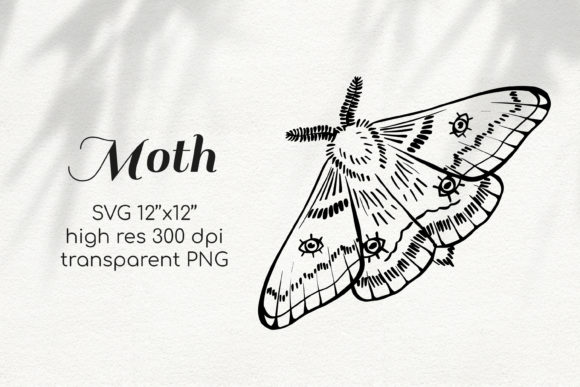
The moment you open the files, the Hand-drawn black and white moth butterfly reads as quietly intentional—not rushed, not over-rendered. Its linework has gentle tapering, subtle weight shifts, and a soft asymmetry that avoids robotic perfection. It leans into modern design without sacrificing warmth—a rare balance in sublimation clipart. For brands rooted in slow living, herbalism, or artisanal storytelling, this illustration doesn’t shout; it invites. It pairs effortlessly with muted palettes, textured paper mockups, and serif-driven typography—but also holds its own against bold sans serifs when scaled intentionally.
Where It Shines in Real Client Work
This isn’t just decorative filler—it’s a functional graphic design asset with clear strengths across touchpoints:
- Product mockups: Looks exceptional on ceramic mug and pillow cover templates—especially with soft shadows and subtle fabric texture overlays. The clean lineart translates crisply to sublimation dye without bleeding or pixelation.
- Packaging design: Works beautifully as a secondary motif on kraft labels or stamped onto tissue paper—adding quiet sophistication without competing with logo hierarchy.
- Social media graphics: Scales elegantly for Pinterest pins and Instagram Stories. When layered over a blurred botanical photo background, it creates instant visual cohesion for campaign visuals.
- Printable design & editorial design: Ideal for seasonal blog headers, printable wall art bundles, or zine illustrations—its hand-drawn authenticity reinforces a handmade business ethos.
- Cricut project & sticker design: The SVG file is cleanly layered and fully editable—no stray anchor points or hidden layers. Perfect for cutting vinyl or creating die-cut packaging accents.
Strategic Placement Matters
For maximum impact, use Moth Lineart Sublimation Clipart where breathing room exists: hero sections, product detail pages, invitation borders, or as a recurring motif in a themed collection. It excels as a supporting brand element, reinforcing tone without carrying full messaging weight. In a Canva template suite for small business branding, it adds emotional appeal and visual trust—especially when paired with warm-toned photography and relaxed script fonts.
Where Caution Is Required
This asset doesn’t thrive in every context. Avoid using it at under 0.5 inches tall—fine linework collapses into a muddy silhouette. Steer clear of low-contrast backgrounds (e.g., light gray on off-white), dense layouts with competing patterns, or minimalist corporate branding where razor-sharp clarity and geometric precision are non-negotiable. It’s not suited for primary logo design, financial services collateral, or tech-forward B2B marketing visuals—its charm lies in its gentle, organic imperfection.
Design Judgment in Action
Before committing to client work, I ran five practical checks:
- Tested in pure black and white—no grayscale gradients—to confirm readability on uncoated paper and basic DTG prints.
- Previewed on both light and dark backgrounds; the PNG includes transparent background, but I verified edge integrity on matte black mug mockups.
- Placed on real product mockups at multiple sizes—from 3-inch coaster art to 16-inch wall print—to assess how line weight holds up.
- Compared against font pairings: It harmonizes with serif (e.g., Playfair Display), humanist sans (e.g., Lato), and even restrained script fonts—but clashes with tight geometric display fonts or ultra-thin handwritten styles.
- Confirmed commercial license terms—critical for print-on-demand sellers and digital product creators. This is a licensed commercial design asset, not just personal-use clipart.
Why It Fits the Creative Marketplace—and Your Workflow
In a sea of AI-generated moths and overused vector butterflies, Moth Lineart Sublimation Clipart stands out because it feels *designed*, not assembled. Its inclusion of both SVG and PNG formats means flexibility: scalable precision for logos and packaging, plus ready-to-drop transparency for social media graphics and Canva templates. As part of a larger design bundle, it plays well with other botanical lineart—making it ideal for Etsy product listings, seasonal campaign kits, or branded printable bundles.
For marketers building cohesive visual narratives, this illustration strengthens emotional appeal without demanding explanation. For crafters and Cricut users, it’s production-ready—no cleanup needed. For bloggers and publishers, it elevates editorial design with quiet authority. And for small business branding, it delivers professionalism through restraint—not flashiness.
Final Verdict for Client Projects
If your client needs visual language that whispers “thoughtful,” “grounded,” and “intentionally crafted”—not “trend-chasing” or “mass-produced”—then Moth Lineart Sublimation Clipart earns a spot in your active design assets folder. It’s not a one-size-fits-all solution, but within its natural range—botanical branding, artisanal packaging, mindful marketing visuals, and tactile printable design—it performs with quiet confidence. Just remember: let it breathe, test early, and always anchor it with strong typographic contrast. That’s how good creative design becomes trusted commercial design.