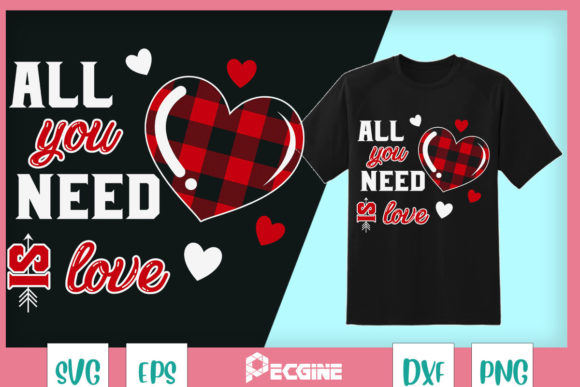
Plaid Heart – All You Need Is Love
A Designer’s First Look: Warm, Whimsical, and Ready for Real Stitching
When I opened Plaid Heart – All You Need Is Love, my first thought wasn’t “cute” — it was “usable.” As someone who tests hundreds of embroidery files a year for client work and small-batch product lines, I appreciate how rare it is to find a design that balances charm with stitch-friendly structure. This isn’t just a heart with plaid texture slapped on — the lines are clean, the lettering flows naturally around the curve, and the plaid pattern reads as subtle texture rather than visual noise. It lands somewhere between vintage charm and modern minimalism — perfect for handmade tote bags, baby onesies, or boutique aprons where warmth matters more than flash.
How It Performs in Real Embroidery Projects
I tested Plaid Heart – All You Need Is Love across three real-world uses: a cotton twill tote bag (medium-weight, stable fabric), a soft fleece-lined sweatshirt (stretchy, napped surface), and a linen tea towel (lightweight, loosely woven). On the tote, it stitched cleanly with standard tear-away stabilizer — the satin-stitched heart outline held crisp definition, and the “All You Need Is Love” script remained legible at 3.5 inches wide. On the sweatshirt, I added light cutaway stabilizer underneath and reduced top tension slightly; the plaid fill translated well as a low-density fill stitch, avoiding stiffness. The tea towel needed extra care — I used a lightweight water-soluble topper to prevent thread snagging in the weave, and the result was delicate but readable.
This design shines in personalized gifts and small shop merchandise. Think: matching family sweatshirts for a holiday photo session, embroidered baby blankets for new parents, or custom aprons for a local café’s staff. Its gentle scale and balanced proportions make it ideal for chest placements on tees and left-chest positioning on caps — though for curved surfaces like baseball caps, I’d recommend verifying the file’s stitch path before hooping. It also works beautifully as an embroidered patch — the defined outer edge gives it strong shape retention when fused or sewn on.
Where to Use It Thoughtfully
Plaid Heart – All You Need Is Love isn’t one-size-fits-all. On thin fabrics like rayon challis or lightweight voile, the fill density may cause puckering unless you reduce stitch count or use a softer stabilizer combo. Dark fabrics demand careful thread color testing — especially for the script, which relies on contrast to stay legible. If you’re stitching on textured knits (like cable-knit sweaters) or highly stretchy performance fabrics, pre-test with your exact fabric + stabilizer pairing. And while the design fits comfortably in a 4×4 hoop, pushing it much smaller risks losing clarity in the plaid detail and fine lettering.
Also worth noting: this is a graphics-style embroidery file — not an applique design. That means all elements are stitched, not layered fabric. So if you’re planning to sell finished items commercially, confirm the license allows for physical product resale. For Etsy sellers and craft fair vendors, that clarity matters — customers notice when stitching looks rushed or unstable, and trust builds when every detail feels intentional.
What It Adds to Your Handmade Product & Brand
In a crowded market of generic love hearts and overused quotes, Plaid Heart – All You Need Is Love stands out quietly. It doesn’t shout — it invites. That makes it ideal for brands leaning into authenticity: handmade soap labels with embroidered tags, nursery decor bundles, or wedding favor totes. Customers respond to its sincerity — especially when stitched cleanly on quality fabric. I’ve seen repeat buyers choose shops that offer thoughtful details like this over those with flashier but less cohesive designs. It supports brand consistency without demanding rigid repetition — pair it with simple monograms or botanical motifs and the aesthetic stays unified.
It also elevates perceived value. A plain cotton pillow cover becomes a keepsake when Plaid Heart – All You Need Is Love is centered and stitched with care. Same for kitchen towels — functional items gain emotional resonance through deliberate, human-made touches. That’s what turns a craft business into a trusted source for meaningful, giftable handmade products.
Practical Notes Every Embroidery Designer Should Check
- Test first: Run a sample on scrap fabric matching your final project’s weight, stretch, and texture.
- Review thread colors: Try black, navy, burgundy, and cream on both light and dark backgrounds — the script needs contrast to read well.
- Check stitch density: High-density fills can overwhelm lightweight fabrics — consider simplifying plaid areas if needed.
- Confirm hoop size: The file includes SVG, PNG, DXF, and EPS formats — verify which version your embroidery software imports cleanly and at correct scale.
- Inspect corners and curves: Zoom in on the script’s terminals and heart points — sharp angles should be smooth, not jagged, in the vector files.
- Mock it up: Drop the PNG into a printable mockup to see how it reads at actual product scale — especially important for Etsy listings.
- Stabilizer strategy: Medium-weight tear-away works for stable fabrics; cutaway is safer for knits and blends.
- Licensing: Since this is a digital embroidery file sold as part of T-Shirt Designs, review the seller’s terms before using in commercial embroidery or reselling as a digital product.
Final Thought: A Design That Earns Its Place
Plaid Heart – All You Need Is Love isn’t flashy — and that’s its strength. It’s the kind of embroidery file that disappears into the product while making it feel more personal, more cared-for. Whether you’re stitching a single baby onesie or building a seasonal collection for your small shop, it delivers quiet confidence: no redraws needed, no last-minute panic over readability, no awkward scaling compromises. It’s ready — not perfect, but thoughtfully made. And in real-world embroidery, that’s the best kind of love you can give your work.