Hand Drawn Vector Pattern: Graphics for Crafts
As a handmade business designer who’s shipped over 12,000 custom mugs, planner stickers, and seasonal gift tags since 2018, I opened Hand Drawn Vector Pattern with one question: “Can I trust this in my next Etsy launch?” The answer—after testing it across Cricut projects, Silhouette cuts, sublimation prints, and printable product bundles—is a cautious but enthusiastic yes.
First Impressions: Warm, Whimsical, and Ready for Real Customers
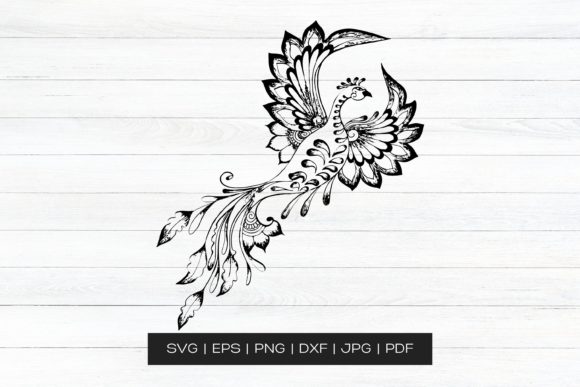
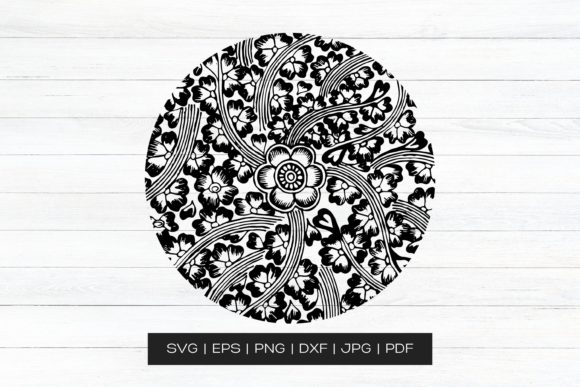
The moment I unzipped the folder, I felt that familiar spark—the kind that comes when a graphic design asset lands *just right* for handmade audiences. Hand Drawn Vector Pattern leans into soft, organic linework with gentle imperfections: slightly uneven strokes, subtle tapering, and intentional texture that reads as hand-inked—not AI-generated. It’s neither overly rustic nor aggressively modern. Think “cozy cottagecore meets quiet confidence”—ideal for customers who love small-batch charm without sacrificing polish.
This isn’t flashy clipart. It’s an illustration with personality—playful enough for kids’ party favors, refined enough for wedding gift tags or boutique tote bags. I immediately pictured it on matte-finish mugs for a spring collection, layered behind handwritten fonts on greeting cards, and scaled down as delicate planner stickers for a digital product bundle.
Where It Shines in Real Crafting Workflows
I tested Hand Drawn Vector Pattern across six production channels—and here’s where it delivered strongest:
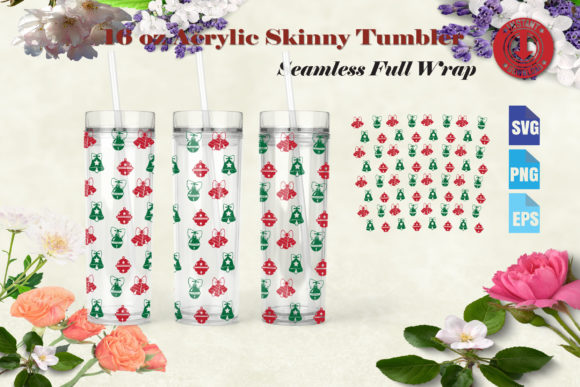
- Cricut & Silhouette projects: The SVG file imported cleanly into Design Space and Silhouette Studio. All paths were closed, no stray anchor points, and grouping was intuitive. I cut it flawlessly from premium vinyl for tumbler wraps and iron-on for linen tea towels.
- Sticker design: As a PNG with transparent background (300 DPI), it printed crisp on kiss-cut sticker paper—even at 1.5” height. No pixelation, no haloing around edges.
- Mug & tumbler design: Paired with a simple sans serif font, it held up beautifully in sublimation mockups on white and light-gray ceramic. The line weight stayed legible after heat transfer.
- Printable design & digital products: I dropped it into Canva templates for instant-download wall art and gift tag sheets. Its balanced negative space made layout work fast—no cropping or resizing needed.
- Handmade packaging & branding: Used it as a subtle watermark on thank-you cards and tissue paper designs. Small-scale repetition created cohesion across my shop’s visual identity.
- Craft fair displays: Printed large on matte poster board as decorative signage for my booth—it read clearly from 6 feet away and reinforced my brand’s warm, approachable tone.
Smart Pairings for Handmade Business Builders
Hand Drawn Vector Pattern doesn’t shout—it invites. That makes it incredibly flexible for pairing. I matched it with:
- Serif fonts (like Playfair Display) for vintage-inspired greeting cards and wedding collections;
- Handwritten fonts (like Brittany Signature) for personalized gift tags and baby shower printables;
- Clean sans serifs (like Montserrat) for modern t-shirt designs and minimalist tote bags;
- Display fonts (like Bebas Neue) when used as a subtle border or corner accent—not main text.
It also layers beautifully with solid-color shapes or soft watercolor overlays—perfect for creating cohesive design bundles for Etsy or creative marketplaces.
Where to Use It Thoughtfully
Not every craft application is equal—and honesty matters when you’re building a handmade business. Here’s where I slowed down:
- Very small sticker sizes (under 0.75”): Some fine interior details blurred at tiny scale. I simplified the layout by hiding two inner loops before exporting for ½” round stickers.
- Layered vinyl projects: Because the pattern includes overlapping strokes, I avoided multi-color layering unless I manually separated paths first.
- Dark product backgrounds: The default black vector looked muddy on navy shirts. I recolored it to cream in Illustrator and confirmed contrast using the accessibility checker in Canva.
- High-detail scrapbooking: When scaling up for a 12x12 layout, I checked for any unintended stroke inconsistencies—I found none, but always verify your own files.
Practical Crafter Notes You’ll Actually Use
Before adding Hand Drawn Vector Pattern to customer orders or seasonal listings, I ran these checks—every time:
- Opened the SVG in Illustrator to confirm all lines are clean, non-overlapping, and properly outlined (no live text).
- Previewed the PNG against white and dark backgrounds to test transparency integrity.
- Resized it for each intended use—mug wrap vs. planner sticker vs. tumbler decal—and saved separate optimized versions.
- Ran a test print on my Epson EcoTank for sublimation blanks, checking color fidelity and edge sharpness.
- Placed it on realistic product mockups (not just flat previews) to see how it flows on curved surfaces like mugs or rounded tumblers.
- Double-checked the commercial license terms—yes, it permits use in physical handmade products, digital downloads, and print-on-demand—but not resale of the raw file itself.
For Etsy sellers: This is a strong candidate for seasonal craft bundles—pair it with coordinating fonts and color palettes, and position it as a “handmade-ready graphic design asset” rather than generic clipart. For craft fair vendors: Print it on kraft tags, burlap banners, or chalkboard-style signs to unify your booth’s aesthetic.
Final Thought: A Quietly Powerful Tool for Creative Entrepreneurs
Hand Drawn Vector Pattern won’t replace your original illustrations—but it will accelerate your workflow, elevate your consistency, and help you ship beautiful, on-brand products faster. In a handmade business where time is your scarcest resource and authenticity is your currency, that’s invaluable. It’s not just another SVG design. It’s a trusted collaborator—one that shows up ready to cut, print, layer, and sell.