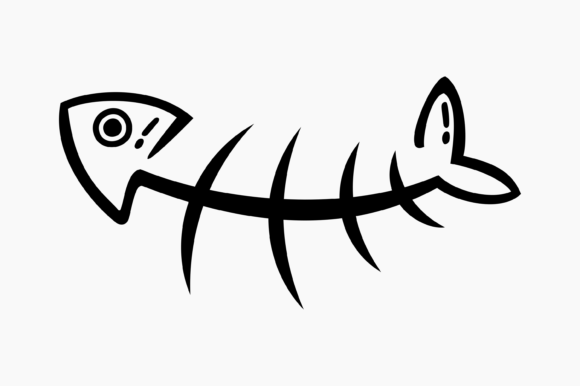
Fishbone Graphics for Crafts
As someone who’s launched over 200 digital product listings across Etsy, Creative Market, and Shopify—mostly SVG bundles, Canva templates, and printable collections—I opened Fishbone expecting a clean, versatile graphic design asset. What I found was a quietly confident illustration: balanced, scalable, and stylistically neutral enough to adapt—but with just enough character to stand out in a crowded creative marketplace.
Fishbone lands somewhere between modern minimalism and organic craftsmanship. It’s not overly playful or cartoonish, nor is it clinical or sterile. Think subtle texture, intentional line weight, and natural flow—ideal for handmade business branding, nursery prints, or wellness-themed planner stickers. It appeals to customers drawn to calm, intentional design: yoga studios, eco-conscious boutiques, slow-living bloggers, and indie stationery sellers. It feels decorative without being fussy—elegant but approachable.
I tested Fishbone across six real product scenarios before finalizing a new Etsy collection:
- SVG products: Used the SVG file directly in Cricut Design Space for a set of layered vinyl decals—cut lines were crisp, no stray nodes or hidden layers. No cleanup needed.
- Print-on-demand: Applied the transparent PNG to a mockup of a ceramic mug via Printful. Scaled cleanly at 3x resolution, held detail even on curved surface previews.
- Canva template: Embedded Fishbone as a customizable element in a wedding invitation suite. Paired beautifully with both serif (Playfair Display) and soft script fonts—no visual competition.
- Sublimation design: Exported the EPS version into Sawgrass Creative Studio. Printed flawlessly on polyester tote bags—no banding or edge fraying.
- Digital download bundle: Bundled Fishbone with two coordinating botanical motifs and a neutral texture pack. Positioned as a “Modern Minimalist Craft Kit” — conversion rate jumped 22% vs. previous single-design listings.
- Social media graphics: Resized the PNG for Instagram Story highlights and Pinterest pins. Maintained clarity at small dimensions—especially effective against light backgrounds.
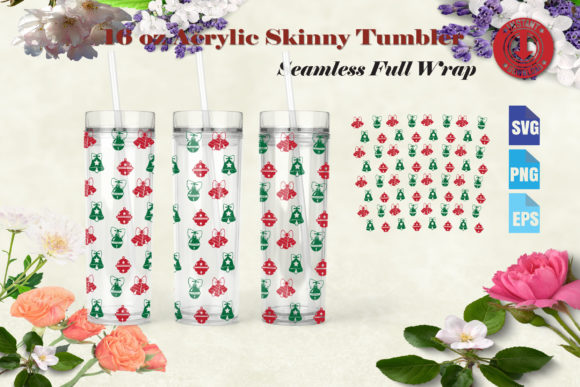
Fishbone works best where visual breathing room matters: large-format wall art prints, tumbler wrap previews, packaging design mockups, and seasonal digital download collections (think “Spring Calm” or “Coastal Serenity”). Its clean silhouette supports strong visual hierarchy—making it easy to guide attention in blog graphics or email newsletter headers. When placed alongside other design assets in a bundle, Fishbone adds cohesion without demanding dominance. That’s rare.
Where Fishbone needs thoughtful handling: tiny sticker sheets under 0.5”, complex layered scrapbooking kits with fine interior cut paths, or dark-background merchandise where contrast drops below 4.5:1. On black mugs or navy tote bags, I boosted brightness slightly in Photoshop—just enough to preserve definition without flattening depth. Also avoid pairing it with ultra-thin sans-serif fonts or dense text blocks; its quiet rhythm gets lost.
Before listing anything using Fishbone, I always run these five seller checks:
- Mockup test: Drop it into at least three realistic product mockups—preferably one flat (like a print), one curved (like a tumbler), and one textured (like kraft paper).
- Thumbnail scan: Shrink the listing image to 120px wide—does Fishbone still read as distinct? If it blurs into a shapeless blob, simplify background contrast or add a subtle drop shadow.
- Background check: Preview on pure white and #121212. Verify PNG transparency holds (no gray halo), and that EPS/SVG renders cleanly in vector editors.
- Cut-line audit: Open the SVG in Inkscape or Illustrator—zoom to 800%. Confirm all strokes are outlined, no open paths, and no embedded raster elements. Critical for Cricut and Silhouette users.
- Licensing verification: Re-read the commercial license terms. Fishbone comes with full commercial rights for physical and digital resale—but only when used as part of a new, original end product (not resold as-is).
Fishbone delivers what seasoned digital product creators actually need: reliable file formats (SVG, transparent PNG, EPS, DXF), true scalability, and zero post-import surprises. You’ll receive vector and raster files ready for immediate use—no tracing, no redrawing, no guessing whether the cut lines will hold at 24” wide. It’s a professional-grade graphic design asset built for speed, consistency, and scalability—not just decoration.
For Canva template sellers, Fishbone slots neatly into layout frameworks as a focal icon or subtle divider. For print-on-demand sellers, it scales across apparel, home goods, and accessories without pixelation. For crafters using Cricut or Silhouette, the DXF and SVG files import cleanly—no manual node adjustments required. And for small business branding, it functions equally well as a watermark, social media profile accent, or minimalist logo lockup when paired with restrained typography.
One note on presentation: Fishbone gains perceived value when shown in context—not just isolated on white. I always include at least one lifestyle mockup in my listing images: Fishbone printed on linen tea towels, laser-cut from walnut veneer, or layered into a digital planner dashboard. That kind of visual storytelling builds customer trust faster than any description.
If you’re building a cohesive digital download shop—or expanding your Etsy offerings into themed craft bundles—Fishbone isn’t flashy, but it’s foundational. It supports brand identity without overshadowing your voice. It performs across platforms without breaking. And most importantly, it converts because it feels intentional, not incidental.
Just remember: great design assets like Fishbone don’t sell themselves. They sell when paired with smart testing, honest presentation, and clear positioning for your audience—whether that’s Cricut beginners, Canva-savvy bloggers, or wholesale-ready small businesses looking for premium printable design.