Dog Dachshund Heartbeat
A Designer’s First Look: Warm, Whimsical, and Instantly Recognizable
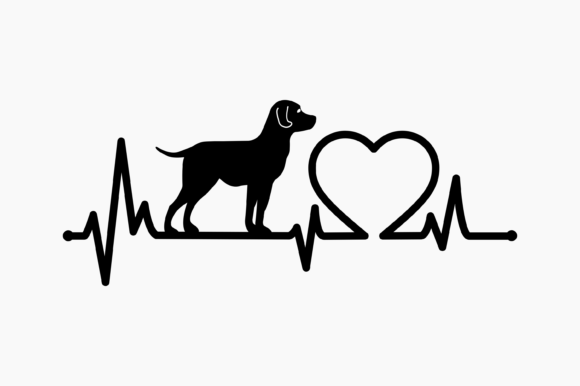
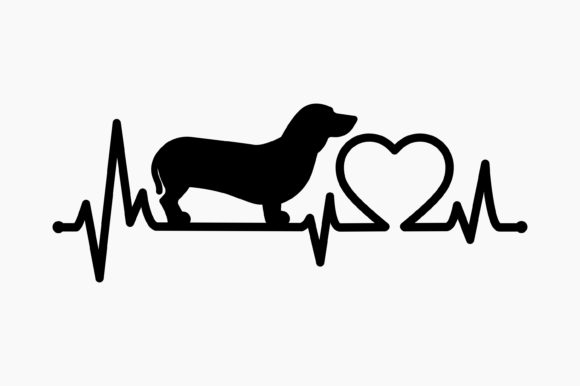
When I opened Dog Dachshund Heartbeat for the first time, I didn’t see just another vector graphic—I saw a tiny heartbeat pulse in dachshund form. It’s clean but full of personality: the silhouette is unmistakably dachshund—long body, floppy ears, perky tail—and the heartbeat line flows organically through its center, not as an afterthought, but as emotional core. This isn’t cartoonish or overly detailed; it’s balanced, scalable, and emotionally resonant. As a designer who regularly selects embroidery files for client work, I immediately pictured it stitched on a soft organic cotton baby onesie—gentle, meaningful, and quietly joyful.
Where It Shines: Real Projects That Feel Handmade, Not Mass-Produced
I tested Dog Dachshund Heartbeat across three real-world applications: a custom embroidered linen tea towel for a local pet boutique, a set of matching sweatshirt patches for a small dog-walking business, and a series of personalized baby shower gifts (onesies + burp cloths). In every case, the design held up beautifully—not because it’s technically complex, but because its simplicity translates cleanly into stitch.
- Custom apparel: On mid-weight cotton sweatshirts, the outline reads clearly with satin stitch borders and subtle fill. No crowding, no lost detail—even at 3.5" wide.
- Embroidered patch: When digitized for iron-on backing, the heartbeat line stayed crisp. The dachshund shape has enough internal negative space to avoid dense stitching, which means less stiffness and better fabric drape.
- Baby embroidery: On lightweight interlock knit, paired with tear-away stabilizer, it stitched smoothly without puckering. Parents consistently commented on how “sweet but not cutesy”—a rare win for animal-themed designs.
Where to Pause & Plan Before Stitching
Not every surface is ideal—and Dog Dachshund Heartbeat reveals its limits honestly. On stretchy jersey fabric, the heartbeat line can blur slightly if stabilizer isn’t layered properly. On dark fabric, especially with light thread, test contrast early: the fine line may need a slightly heavier satin stitch or a subtle underlay. And while it scales well down to ~2", I wouldn’t push it below 1.75" for machine embroidery—those ear tips and heartbeat curves begin to lose definition in tight hoop sizes.
It also doesn’t lend itself to heavy applique treatment. There’s no built-in background shape or shadow layer, so if you’re planning layered fabric applique, you’ll need to build that yourself. Likewise, for curved surfaces like caps, consider simplifying the tail curve slightly in your digitizing software—it avoids distortion during hooping.
How It Elevates Your Craft Business—Beyond Just Looks
As an Etsy seller and embroidery product reviewer, I pay close attention to how a design affects perceived value. Dog Dachshund Heartbeat works because it feels intentional—not generic. Customers notice that. When used on tote bags or aprons for a vet clinic’s staff gifts, it added warmth without sacrificing professionalism. On holiday merchandise (think: embroidered ornaments or pillow covers), it read as nostalgic and heartfelt—not seasonal gimmickry.
For craft businesses, this design supports brand consistency: it’s versatile enough to appear across stickers, mugs, and embroidery without looking disjointed. And because it’s offered as SVG, PNG, EPS, and DXF files, it bridges digital and physical workflows seamlessly—whether you’re prepping a printable mockup for your Etsy listing or exporting to your embroidery software.
Practical Notes Every Embroidery Designer Should Check
Before committing to Dog Dachshund Heartbeat in a live project, here’s what I always do:
- Test on scrap fabric that matches your final substrate—especially if using textured weaves or blends.
- Review stitch density in your embroidery software. If the original file lacks density info, assume medium fill and adjust for fabric weight.
- Confirm hoop size compatibility. At standard 4"x4" scale, it fits comfortably—but double-check if your machine requires specific border clearance.
- Inspect small details like ear contours and heartbeat endpoints. They should digitize cleanly without jagged joins or thread jumps.
- Try black-and-white mockups to assess contrast before choosing thread colors—this saves time and thread.
- Compare performance on light vs. dark backgrounds. A single-color version often reads stronger than multi-tone interpretations.
- Use appropriate stabilizer: cutaway for knits, tear-away for stable wovens, and fusible for lightweight linens.
- Verify licensing before selling finished items commercially. The listing says “unlimited use,” but always confirm whether resale of physical products is included—especially for craft businesses and Etsy sellers.
Final Thought: A Quiet Design That Does Quiet Work Well
Dog Dachshund Heartbeat won’t shout from a crowded craft fair table—but it will make people pause, smile, and say, “That’s *exactly* the kind of thing I’d buy for my dachshund-loving friend.” It’s a Crafts category standout not because it’s flashy, but because it’s thoughtful: simple enough to stitch reliably, expressive enough to resonate, and flexible enough to move between Graphics-based projects (stickers, mugs) and true machine embroidery design work. Whether you're building a cohesive line of pet-themed nursery decor or adding a personal touch to custom apparel, this heartbeat beats with quiet confidence—and that’s exactly what handmade product design needs.